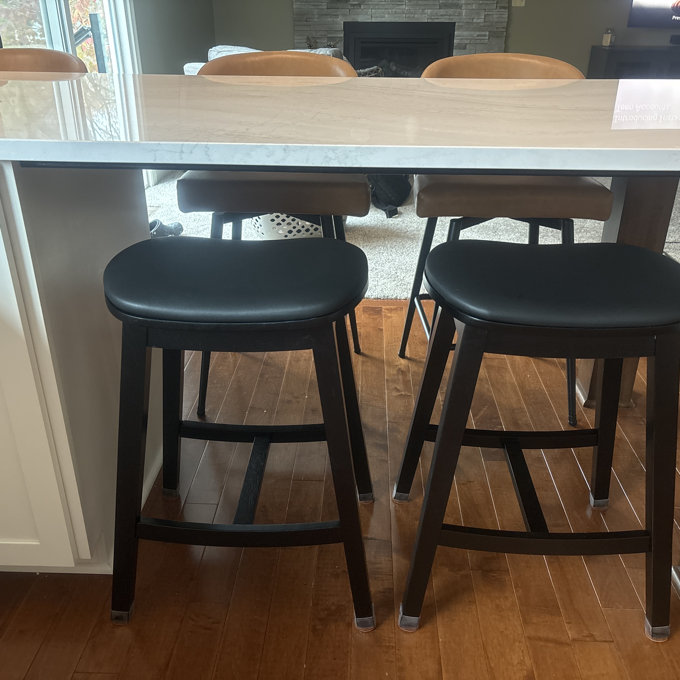
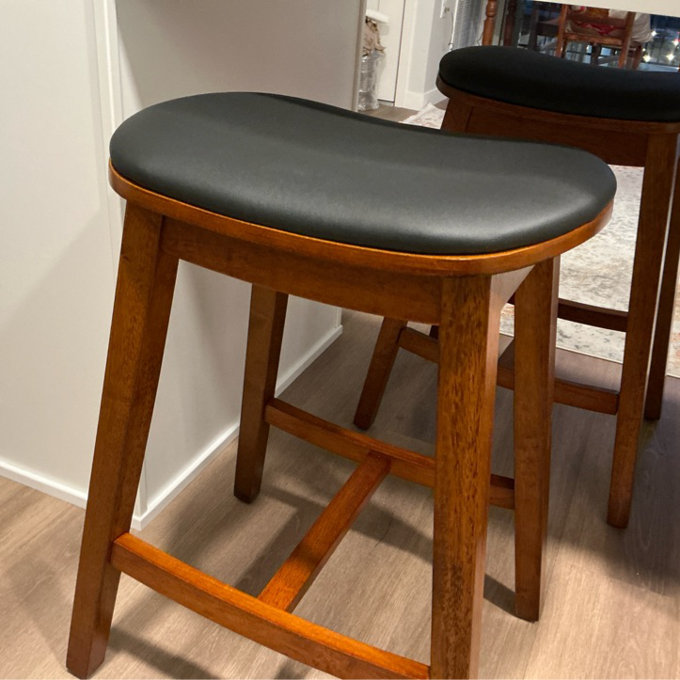
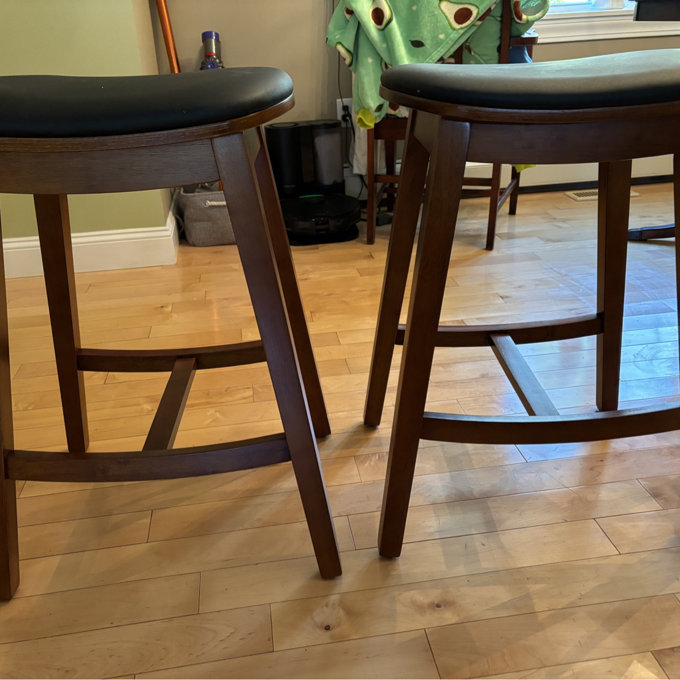
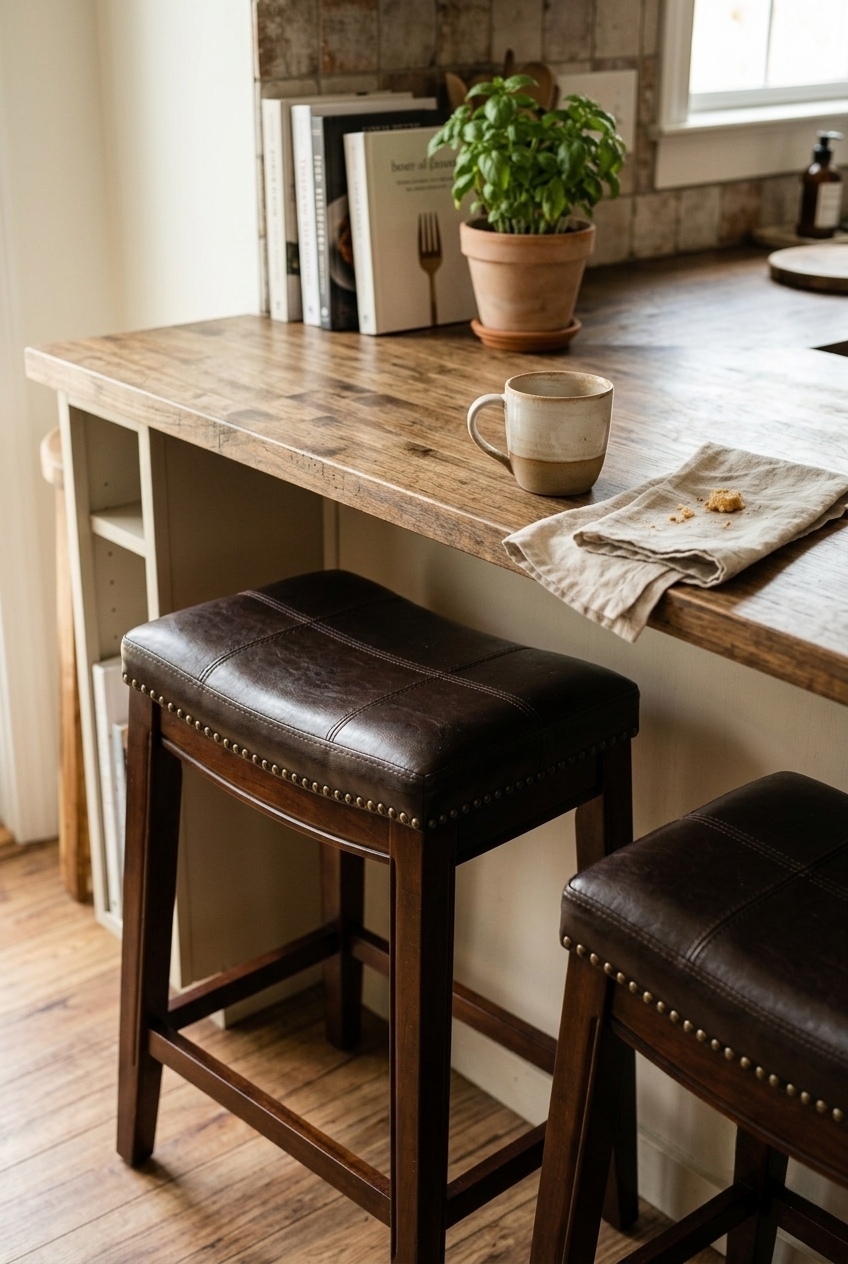
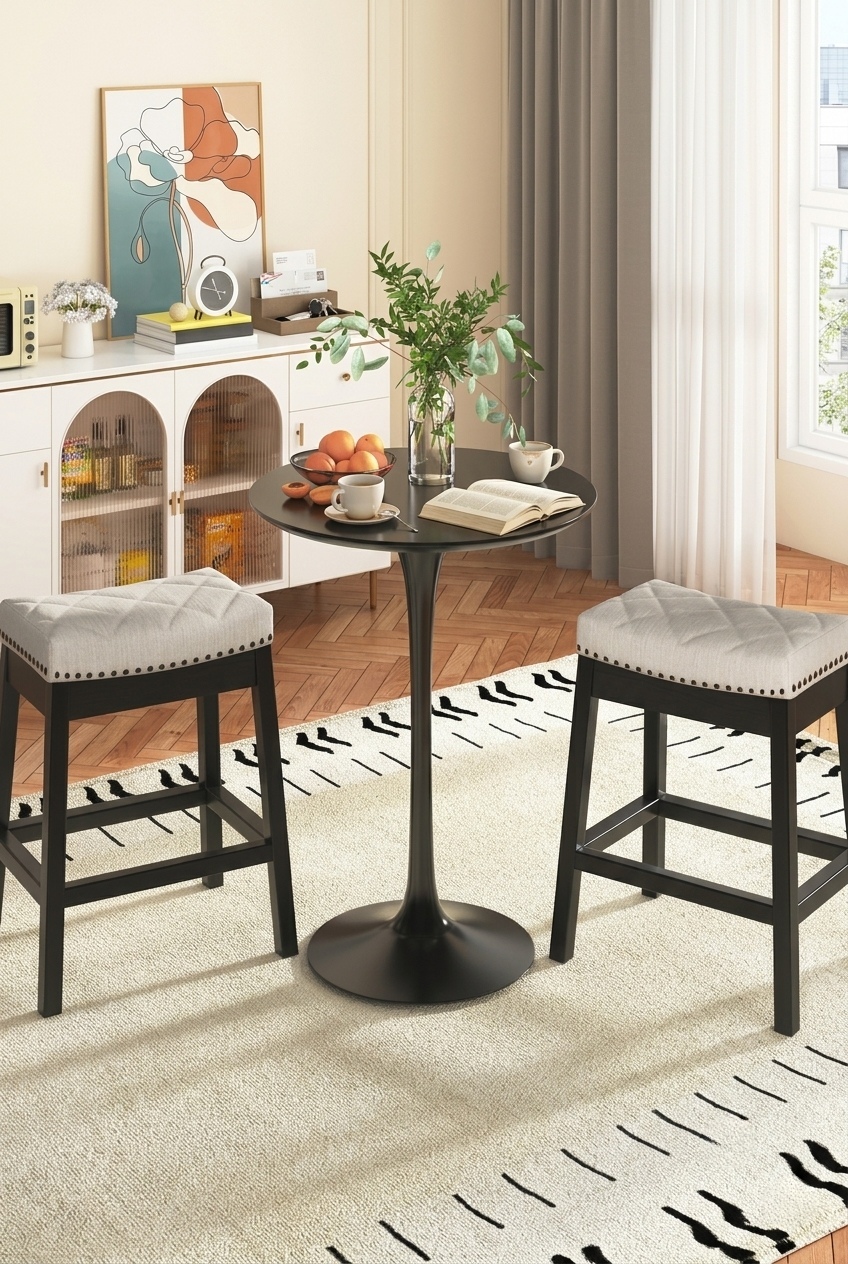
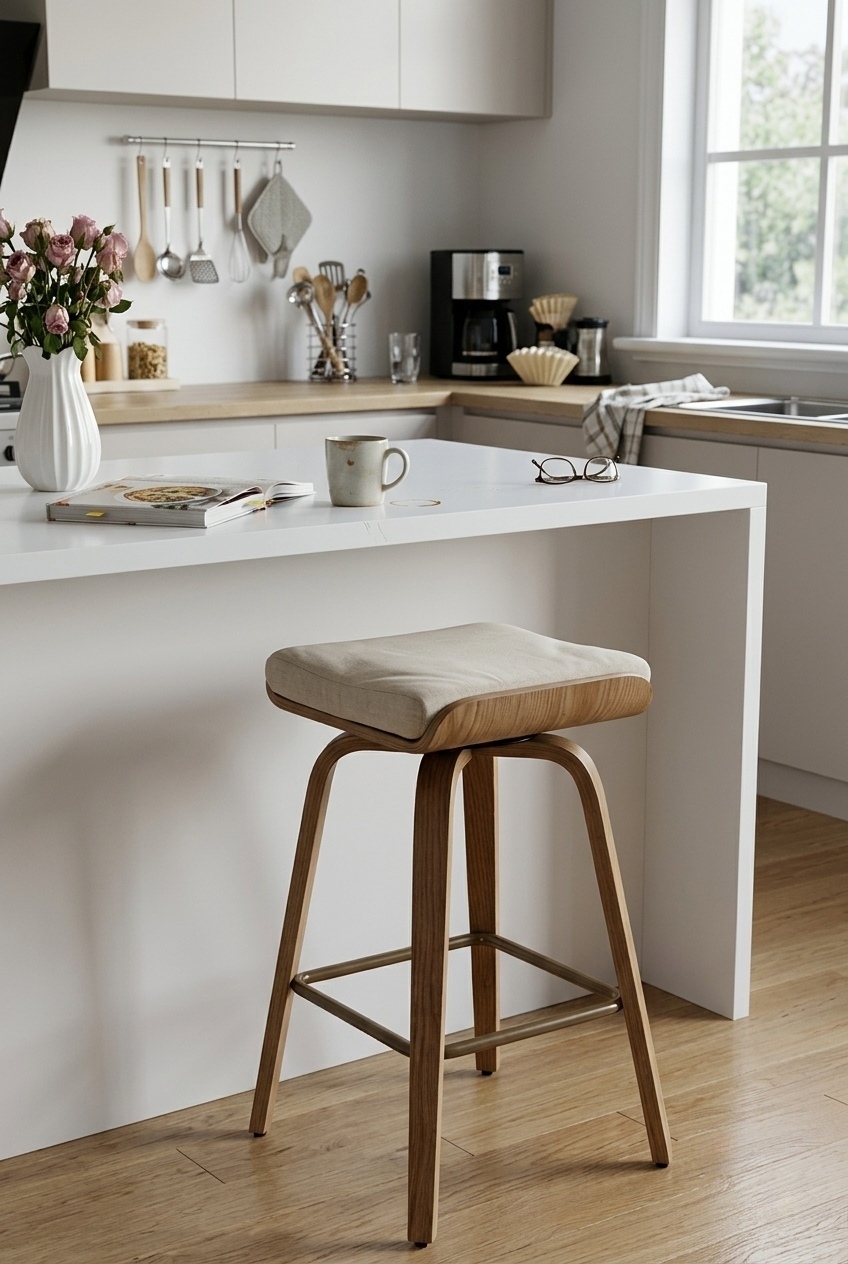
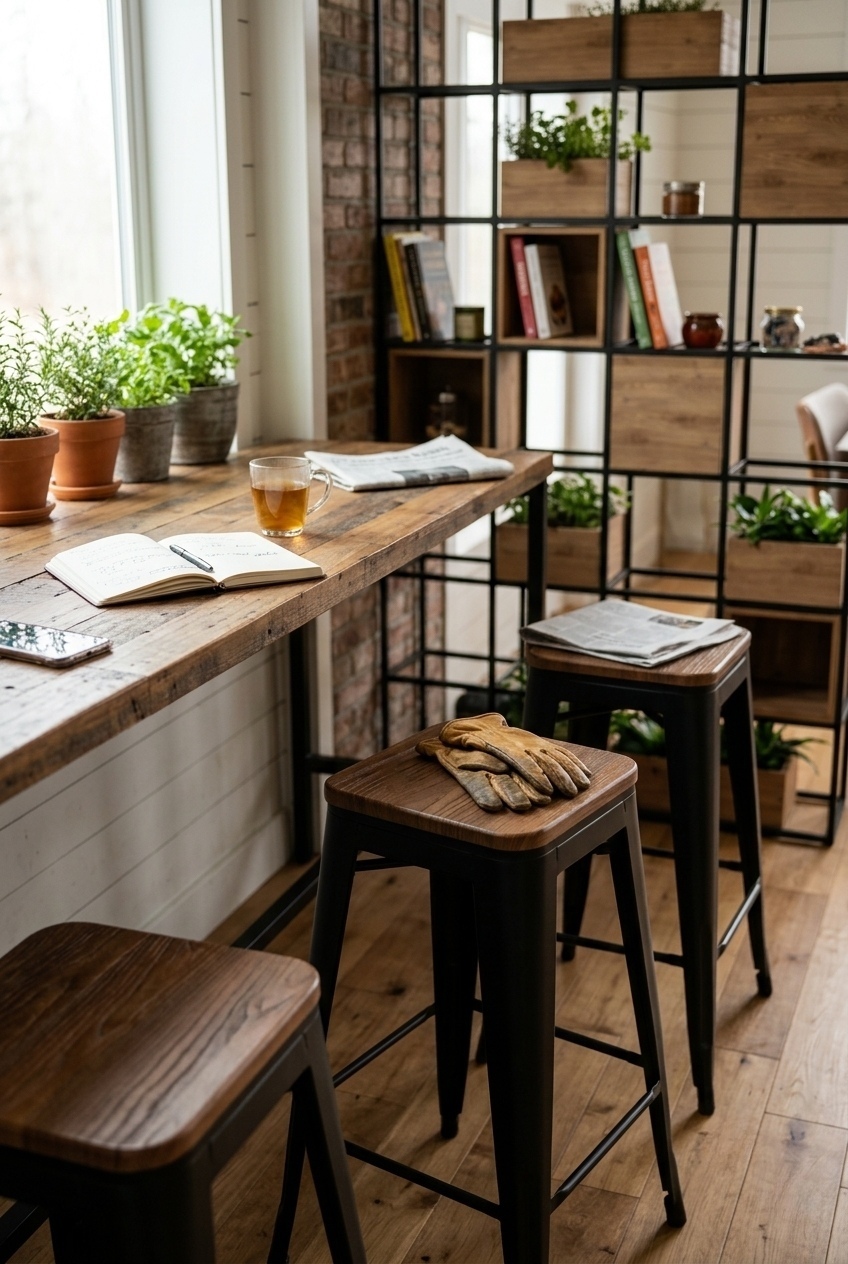
Investing in high-traffic seating requires a discerning assessment of structural integrity, joinery, and material endurance. When evaluating cushioned counter stools for kitchen island applications, aesthetic allure must be backed by uncompromising engineering. Kitchen seating experiences far more continuous friction, weight changes, and environmental exposure than standard dining chairs. Discerning homeowners should scrutinize frame construction, internal upholstery density, and bearing hardware before bringing new designs into the architectural heart of their residence.
Craftsmanship & Specifications
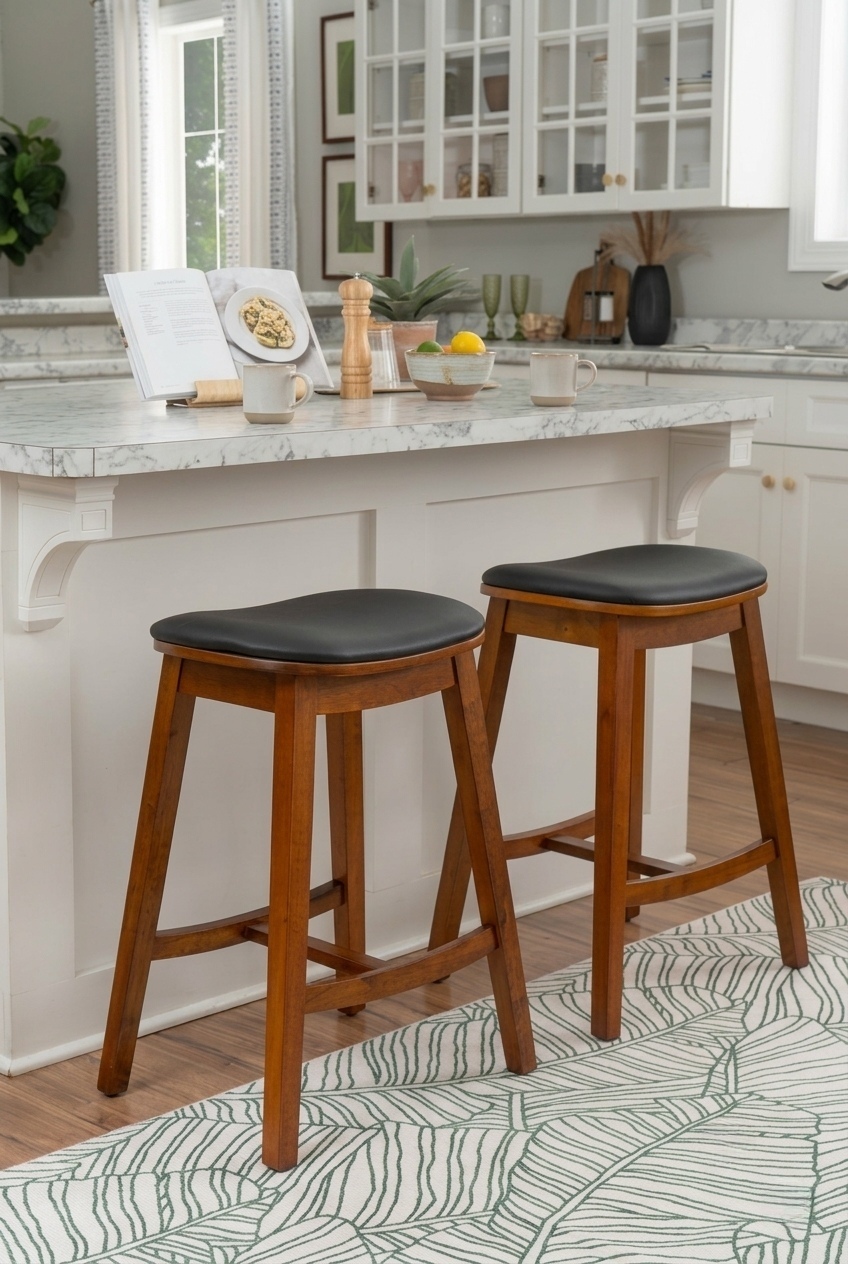
Evaluating Frame Integrity & Longevity
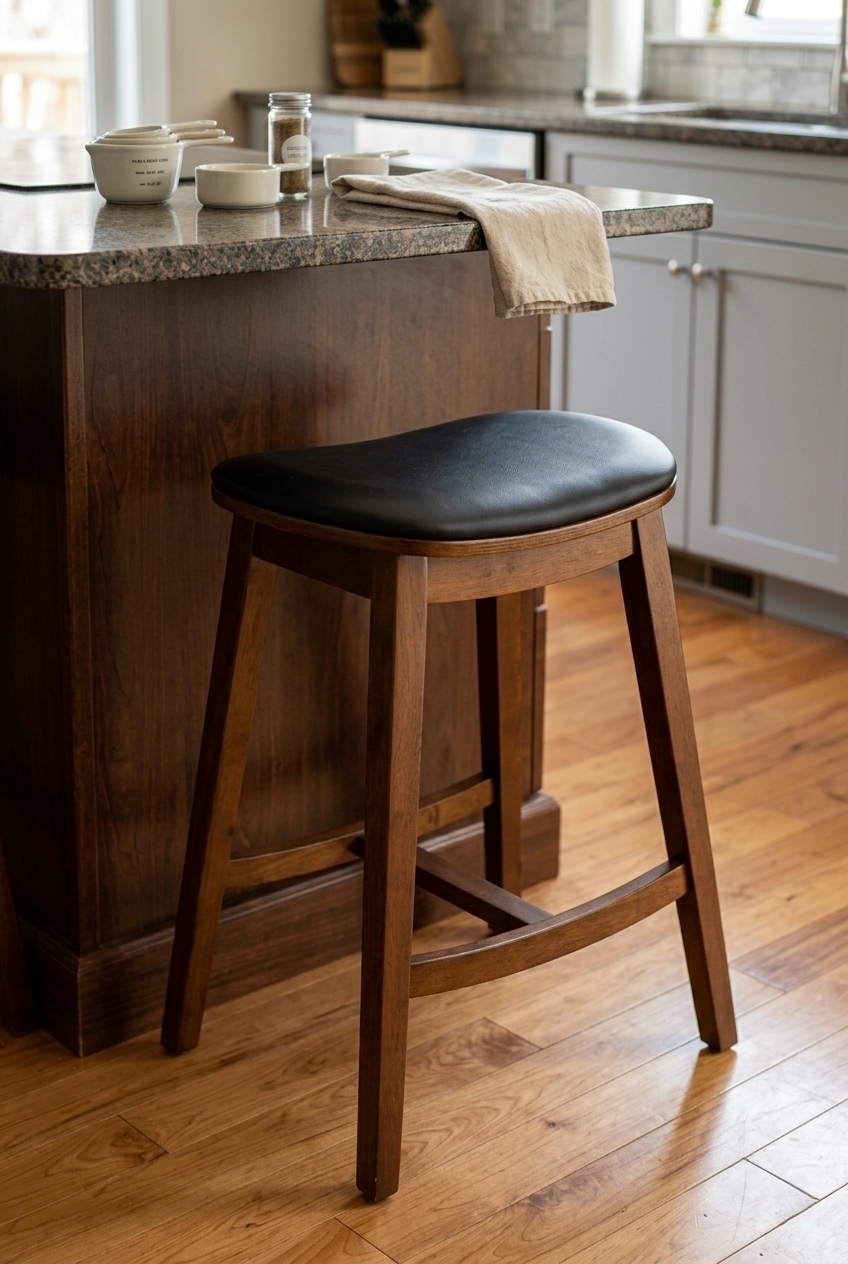
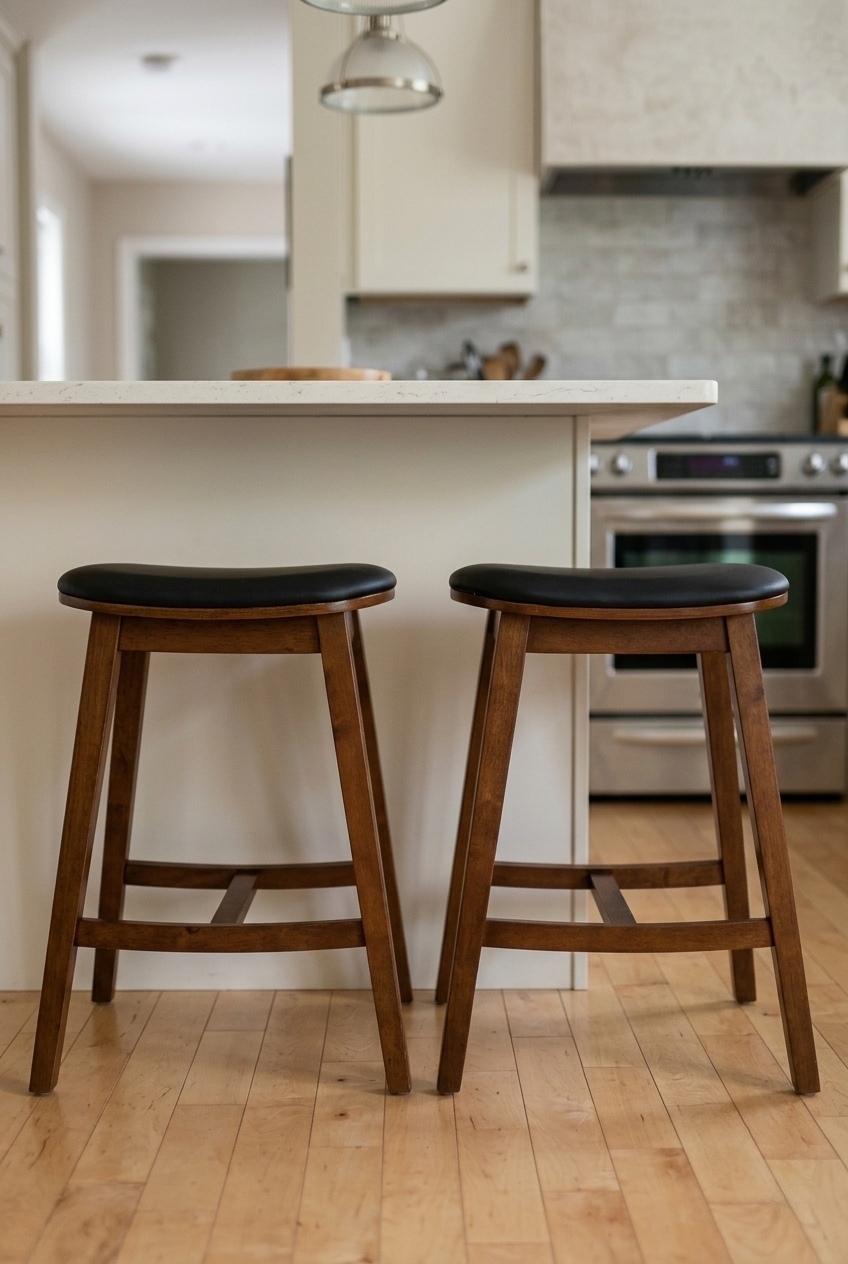
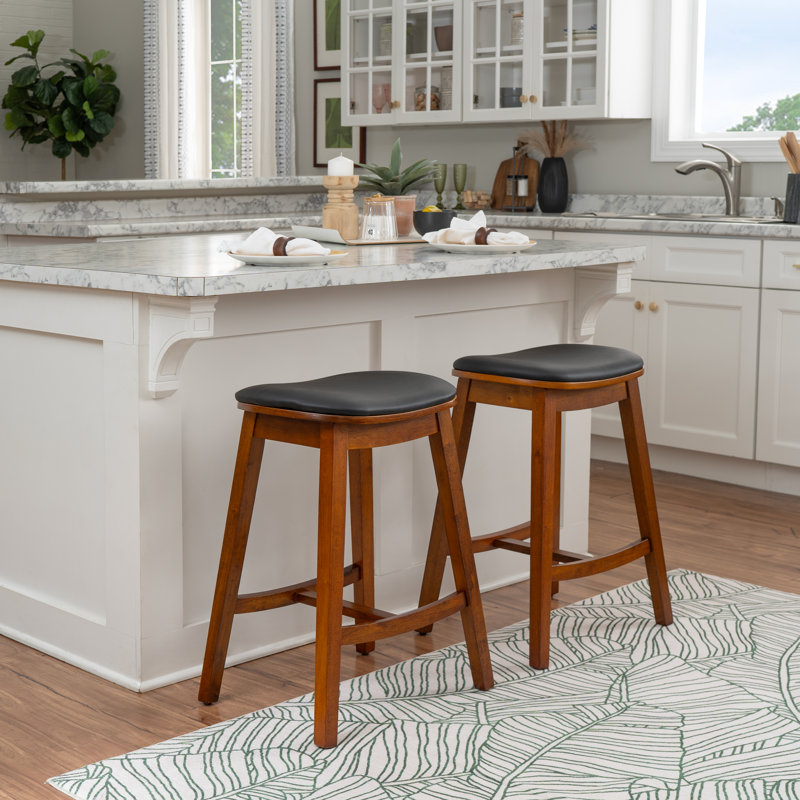
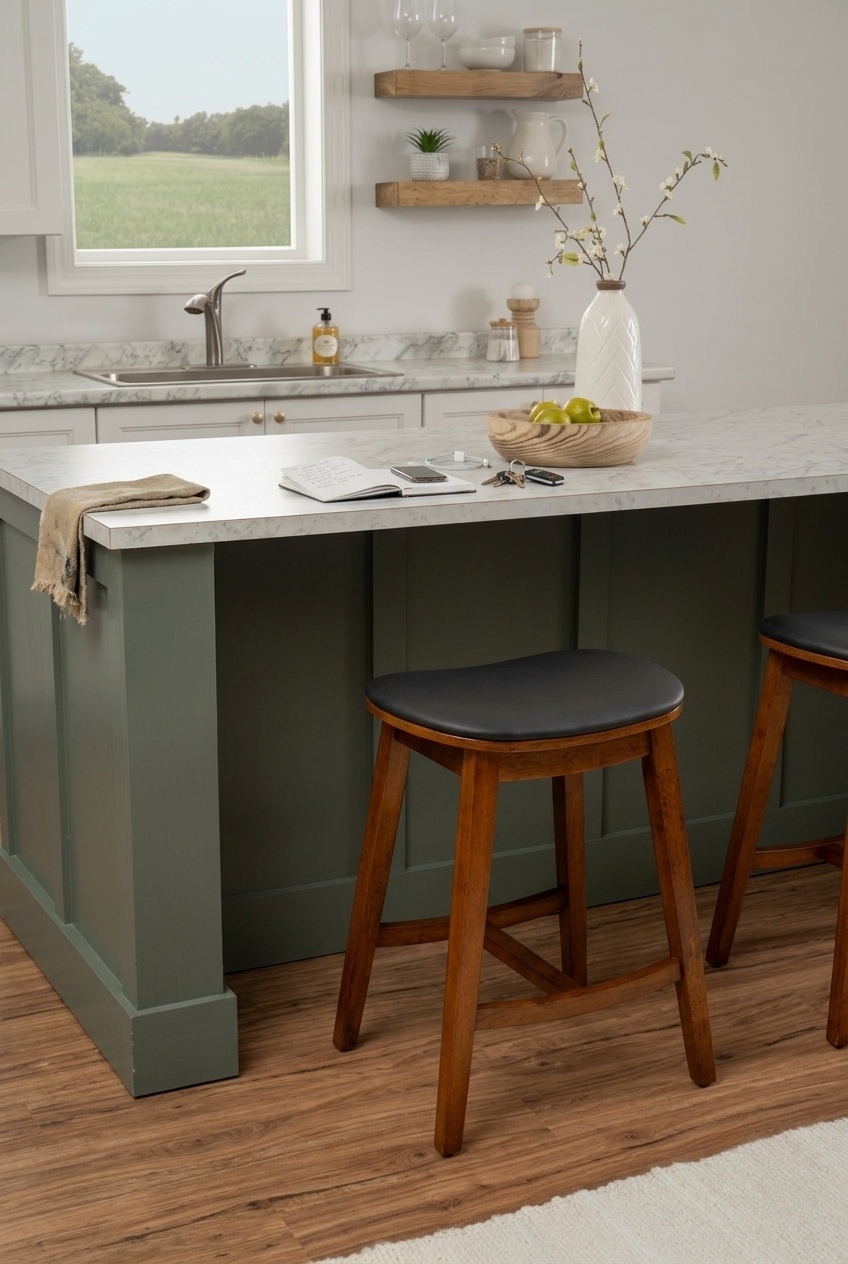
A superior stool starts with a rigid foundation that resists racking over time. The Nafeesa model utilizes robust internal frame supports anchored by a broad, weighted base that distributes downward load evenly across hardwood or tile. Inside the seat, high-density resilience foam prevents premature sagging along the front lip, maintaining its crisp silhouette through years of use. Meanwhile, the sealed internal swivel bearing guarantees friction-free rotation protected against ambient cooking steam and dust. Finally, the non-porous faux leather exterior provides exceptional tensile resistance against daily abrasion without requiring the specialized conditioning cycles of delicate raw hides.
Care & Maintenance Advice
- Use an upholstery attachment to gently brush the velvet pile along its natural grain.
- A lightly damp microfiber cloth easily handles routine spot cleaning without harsh chemicals.
- Position away from direct, intense sunlight to maintain color depth over time.
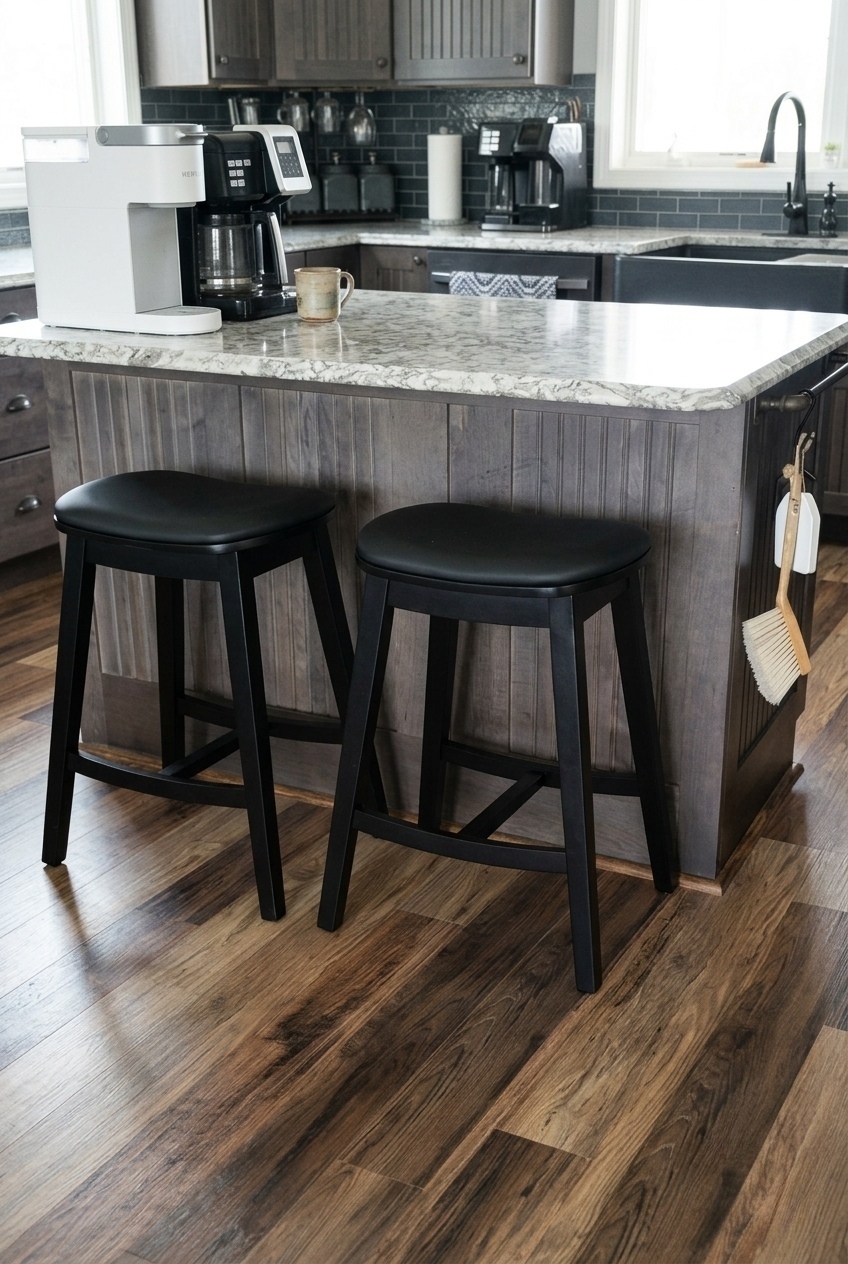
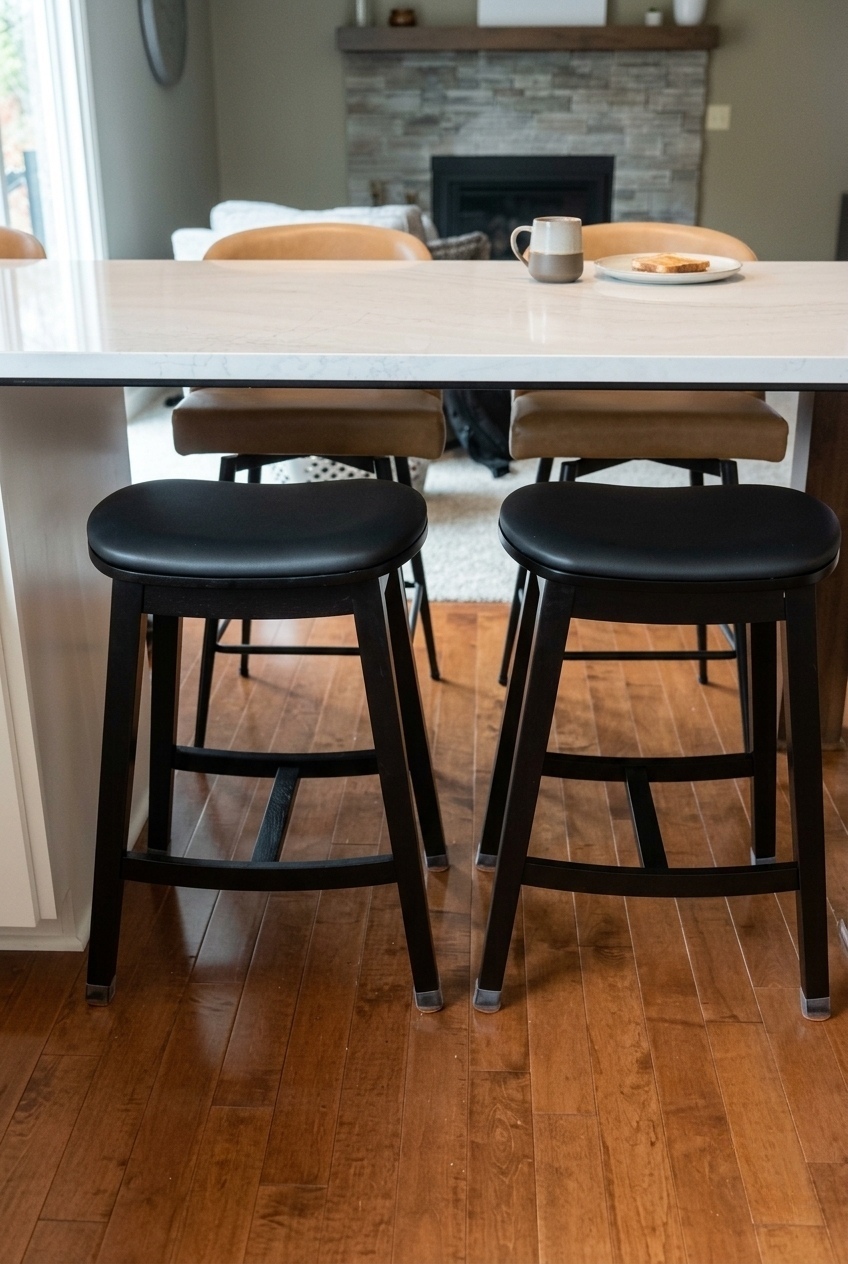
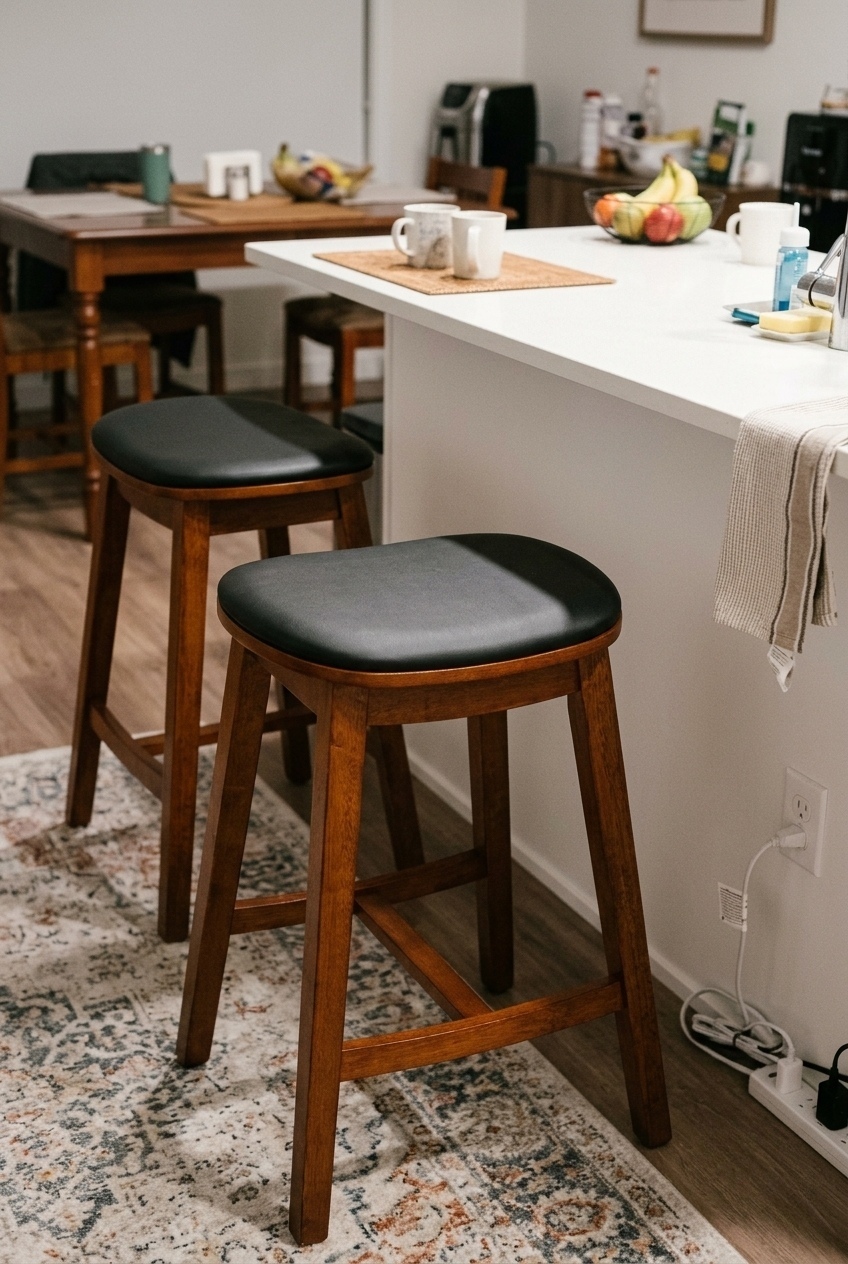
Investment & Daily Longevity
Prioritizing structural stability and resilient materials ensures that your home investment maintains its pristine aesthetic integrity through countless gatherings and casual mornings.
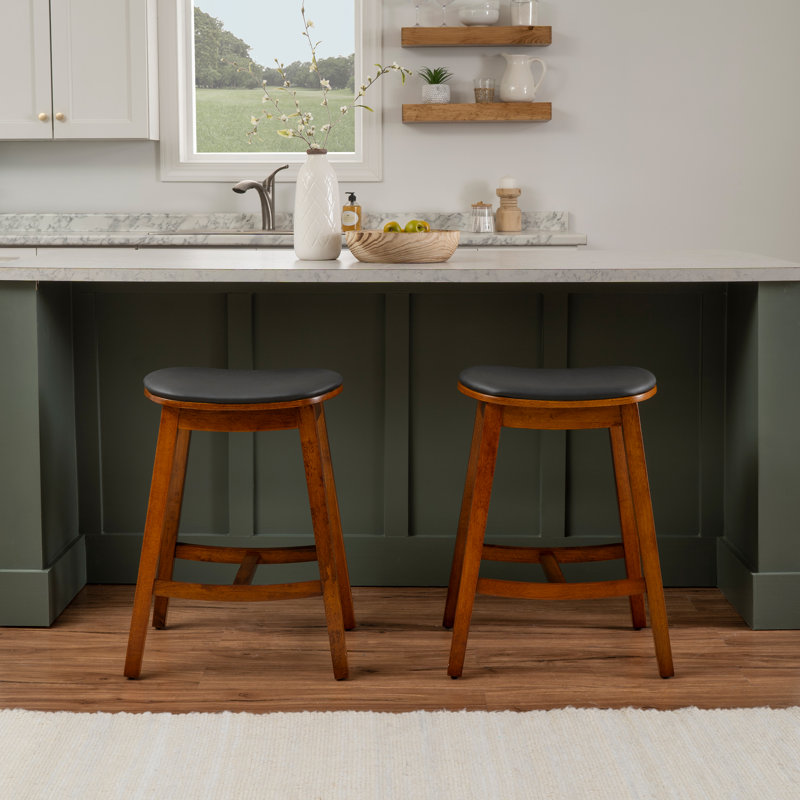
George Oliver Nafeesa Cushioned Faux Leather Counter Stool W111937090
View on Wayfair